Posted on Leave a comment

5 Ways Bimirth Breastmilk Storage Bags Save You Money from Breastfeeding

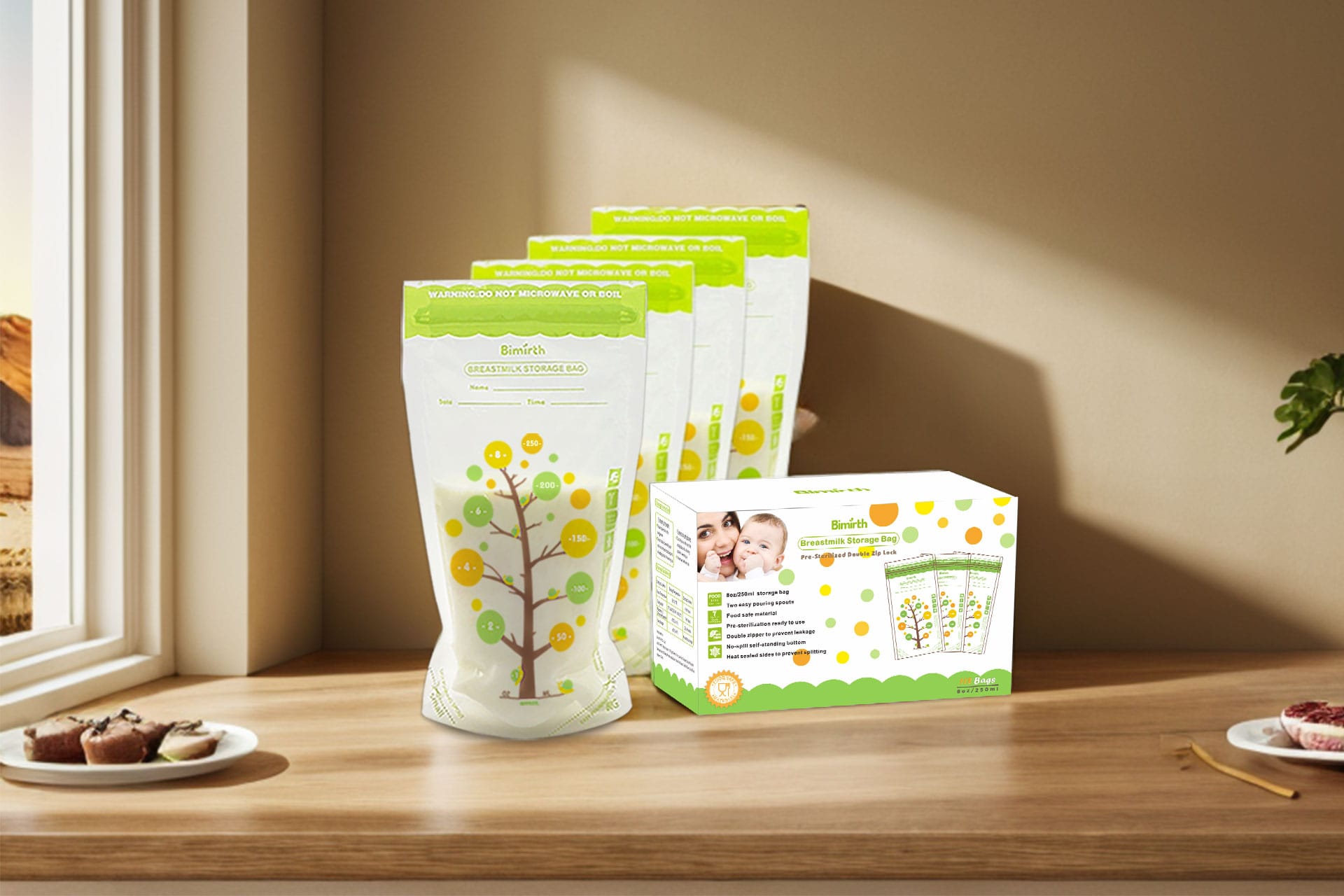
Bimirth Breastmilk Storage Bag with self-standing design for easy fridge and freezer storage

When you begin your breastfeeding journey, efficiently storing your expressed breast milk is a top priority. However, Bimirth Breastmilk Storage Bags offer far more than just a way to store milk—they are versatile, cost-effective, and practical for various stages of your parenting journey. Beyond the breastfeeding phase, these bags can continue saving you money in ways you might not have imagined. Let’s explore 5 key ways Bimirth storage bags provide long-term value.

  1. Affordable and Efficient Milk Storage Solution

Storing expressed breastmilk is a primary function of Bimirth Breastmilk Storage Bags, but they are also an affordable and efficient choice. With a 250ml capacity, these bags Bimirth Breastmilk Storage Bag self-standing design for easy fridge and freezer storageallow you to store larger quantities of milk, maximizing the use of each bag. Perfect for both fridge and freezer storage, their compact design helps you organize your milk without taking up precious space.
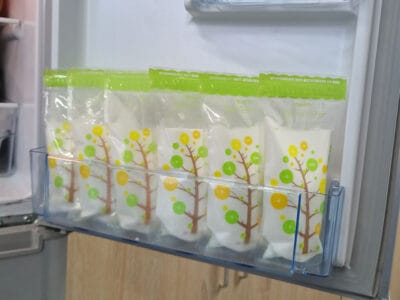
How it saves money: Instead of investing in expensive bottles or bulky containers, these storage bags provide an affordable and space-saving alternative. Additional savings: Pre-sterilized and ready to use, Bimirth bags eliminate the need for sterilization equipment and cleaning supplies, further reducing costs.

  1. Repurposed as Ice Packs for On-the-Go Freshness

Not just for milk, Bimirth Storage Bags can be reused as ice packs. Simply fill the bags with water, seal them, and freeze. These makeshift ice packs keep your breastmilk cool during travel or can be used to chill your baby’s snacks and drinks while on the go.

How it saves money: Say goodbye to expensive ice packs or cooling products—these bags can be reused multiple times as ice packs. Additional savings: These compact breastmilk storage bags eliminate the need for large, bulky coolers, saving both money and storage space.
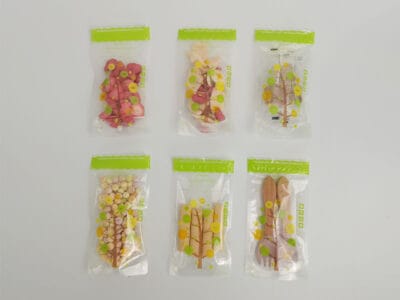
Bimirth Breastmilk Storage Bag holding snacks, ideal for baby and toddler food storage on the go

  1. Convenient Snack Bags for Babies and Toddlers

As your baby grows, Bimirth Breastmilk Storage Bags become perfect for storing snacks.

Whether it’s crackers, fruit slices, or small portions of baby food, the clear, easy-to-seal bags offer an affordable solution to organizing snacks for your little one.

How it saves money: Rather than buying separate snack containers or pouches, repurpose these milk storage bags to save on additional products. Added benefit: The transparent design lets you easily see the contents, so you can quickly grab the right snack.

  1. Pre-Sterilized for Hygiene and Convenience

Maintaining cleanliness is essential when storing breastmilk and food for your baby. The Bimirth Breastmilk Storage Bags come pre-sterilized, making them ready to use right out of the box. This feature saves you the cost and hassle of purchasing sterilization equipment or spending extra time cleaning bottles.Bimirth Breastmilk Storage Bag laying flat in the fridge for organized milk storage
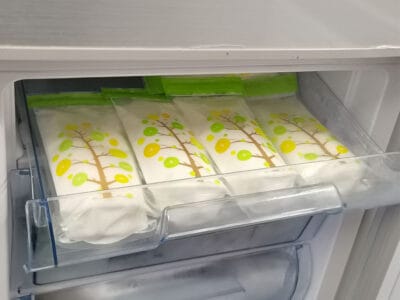
How it saves money: Avoid buying sterilizing products or investing in bottle-washing time. Additional savings: Ready-to-use bags simplify your routine, saving you both time and money.

  1. Unique Features That Make Usage Easy

Aside from their cost-effective price, Bimirth Storage Bags come with several user-friendly features that make them even more practical.

Three Cuts on the Top and Bottom: These cuts offer flexibility in pouring milk—whether directly into a bottle or by another method—allowing parents to easily transfer milk in a way that suits their needs. Colored Volume Indicator: A color-coded pattern on the bags shows the exact milk volume, helping parents track intake and portion milk more easily.

Key Features:

  • Self-standing design: Sturdy enough to prevent spills, making storage and pouring easier.
  • Double zipper seal: Leak-proof and secure, ensuring milk stays fresh and safe during storage or transport.

Conclusion: Bimirth Storage Bags Offer More Than Just Breastmilk Storage

While Bimirth Breastmilk Storage Bags are designed primarily for storing breastmilk during the breastfeeding period, their versatility and functionality make them valuable beyond that. Whether you’re storing snacks, keeping breastmilk cold, or organizing your toddler’s food, these storage bags serve as a cost-effective, multi-functional solution for busy parents.

Their pre-sterilized convenience, self-standing design, and secure double zipper lock make Bimirth bags an ideal choice for both the breastfeeding phase and beyond. With a practical volume indicator and easy-pour features, these bags help streamline your parenting routine, saving you both time and money.

Posted on Leave a comment

Do I Need a Bottle Warmer and Bottle Sterilizer?

It can be confusing for expectant and new parents to know which products they need and which are luxuries. This is especially important when you are on a strict budget and trying to stick to the essentials. When it comes to bottle warmers, you may not need one, but you might still want to invest in one. A sterilizer, on the other hand, is a necessity you cannot go without.

Bottle warmers

Some parents rarely touch their bottle warmers, and some rely on them heavily, so you might not know which category you fit into until after the baby is born. There are simpler, faster ways to warm a bottle of formula or breast milk than with a bottle warmer – by either placing it in a bowl of heated water or running warm tap water over its sides.

Nonetheless, some parents swear by their bottle warmers, as some babies are picky when it comes to the temperature of their meals. This device quickly and efficiently heats things up to the desired temperature. It also leaves no dishes behind.

Be careful if you plan to breastfeed. The properties of breast milk may be altered by some bottle warmers, which are not approved for use with breast milk. Others are designed especially for breast milk, but you might find that warm water is just fine for you. (Never microwave breast milk!)

Our recommendation? Register for a bottle warmer if you think you’ll use it. Look for one that also heats baby food, so you get double duty out of it, and make sure it fits all the bottles you plan to use. Save the receipt just in case it doesn’t make it out of the box.

Bottle Sterilizers

Unlike a bottle warmer, a sterilizer is a necessity. According to the CDC, you must sterilize your little one’s bottles until they are at least one year old. Babies under twelve months are susceptible to infection from bacteria that can lurk in unclean bottles.

Sterilization offers another layer of protection from germs. It is recommended that you sterilize your bottles at least once a day. The CDC recommends Steam or boiling water for the best sterilization results.

After cleaning down your bottles and teats with a cleaning brush, you should use a steam or microwave sterilizer to sanitize the feeding equipment.

The perfect solution

Why not check out our range of sterilizers and bottle warmers in one. The Bimirth 4 in 1 Bottle Sterilizer and Warmer does everything in one convenient and compact package. It can sterilize bottles and warm food or formula at the same time. It holds four bottles for sterilization at once. It has multifunctional heat settings, including defrost settings. A one-touch disinfection button for easy operation, and it has built-in boil-dry safety.

The best thing about this sterilizer and bottle warmer in one is that even if you end up being one of those parents who never use their bottle warmer, it won’t be money wasted. Let’s face it. It’s always nice to have the option.

Posted on Leave a comment

Transitioning from Breastfeeding to Pumping

Every mother’s journey through breastfeeding is different, with unique challenges and obstacles. A common struggle that mothers have is transitioning from exclusively breastfeeding to introducing bottles, whether that be out of a need to go back to work or just to have the chance to get out of the house every once in a while. However, this transition can be rough, both logistically and emotionally for mom and baby. Try following these tips to smooth out the transition and get your baby used to bottle feeding.

  • Start pumping in advance

Well before you start trying to get your baby used to a bottle, it’s a good idea to start getting yourself used to pumping. Pumping regularly will increase your supply to the point that you will need to support bottle feeding, and having a sizable supply will make bottle feeding much smoother. Start off by pumping for a few minutes after every nursing feed, and soon you’ll have plenty of breastmilk to work with!

  • Make a good feeding experience

For getting your baby used to bottle feeding, it’s important to make it a good experience for them. Start by making sure that the milk they are drinking is warmed to the appropriate temperature so that they aren’t shocked by the change. Using an electric bottle warmer will help make it simple to make refrigerated breast milk the temperature your baby is used to. Make the experience a calm, soothing experience by snuggling close with a caregiver, using a pacifier, or playing calming music or sound effects.

  • Leave the house

For the first time that your baby uses a bottle, it’s important for mom to be out of the room. A first bottle feeding can be confusing, and being given the bottle by their mother or while their mother’s in the room can make it even more distressing. It’s a good time to run out to the store or take a walk around the block and let dad or another caregiver get the bottle feeding going.

  • Take some time to adjust

Moving from exclusively breastfeeding to pumping and bottle feeding can take some time. It will often be a struggle, from pumping frequently to build up a supply to getting a baby used to a new method of feeding. It’s important to have patience and grace for yourself and your child. Getting used to using a breast pump, baby bottles, and a new feeding schedule is a big adjustment for everyone in the family. Just remember that with time, this will become the new normal and it won’t feel quite so overwhelming. And once you’ve adjusted, the added freedom of pumping and bottle feeding will feel incredible!

Posted on Leave a comment

Baby Feeding Bottles Benefits-Tips and Tricks

Every belonging of your baby is special like him; it may be rattle or cradle and dummy or diaper. However, when choosing a feeding bottle, parents have several questions: Should I select bottle feeding? Will it be advantageous?  Which material should we choose, glass, plastic, steel etc.? What will be the safety measures to keep it clean? And many others. I am sure you will find all the answers to your queries as you finish reading this post. It will not take much of your time, but the information about feeding and feeding bottles will be beneficial in your parenting

  • Feeding Bottles

Baby feeding bottles are designed to fulfil the feeding needs of the child for drinking purposes. The market is occupied with brands offering baby bottles in different sizes, shapes, materials and prices. There is no standard feeding bottle recommended by the experts, so parents and caregivers have to wisely decide about it. The below-provided information will help you in choosing your child’s first or next feeding bottle.

  • Available Bottle Materials

Baby feeding bottles are produced by using different materials:

1. Plastic

Plastic bottles are the most common, lightweight and also less expensive. There is no fear of leakage and breakage if dropped by the child or you. It is pretty easy to handle. There is also two types of plastic the one is PP material, and the other is PC material. PP plastic bottles had replaced the PC plastic bottles recently as it doesn’t contain BPA at all. Which is safe to baby.

2. Glass

Glass feeding bottles are BPA free, but it’s heavy. It slips from your hands while washing or giving the baby and is breakable. However, there are silicone covers and sleeves that protect them to some extent.

3. Stainless Steel

The most durable baby bottles are made of stainless steel; they are also BPA free and lightweight. The one important thing is that you can’t see the amount of milk directly from outside the bottle as in others. They are also much costly.

4. Silicone

Another material used in the production of baby bottles is silicone; the food-grade silicone is lightweight, durable and BPA free.

5. Disposable Plastic Bottles

These are easy to use, but once only. If you are away from the home or your child has lost his bottle, it’s a good option for you.

  • Appropriate Size of Bottle for your Child

Usually, the bottle size is 4 ounces to 8 ounces; small feeding bottles are suitable for newborns. You can pick the appropriate size according to your child’s age and needs.

  • Shapes of Feeding Bottles

Baby feeding bottles are designed in different shapes; the most commonly used form is the straight one that is very easy to hold, fill and clean. A wide shaped feeder with short nipples is made to feel the babies like a breast nipple. There are also light curved shaped bottles that prevent air from being swallowed by babies while sucking it.

  • Suitable Nipples

Bottle nipples are made of food-grade silicone or latex. They are non-toxic and BPA free. Silicone nipples are firmer, whereas latex nipples are softer. If you feel any change as any tear, cracked or stickiness, replace them with new ones. Older nipples also have a faster flow, so you can change them. There are also three different types of bottle nipples; the long and narrow nipples used by most people, wide but shorter nipples and one-sided flat nipples.

  • Benefits of Bottle Feeding

Breastfeeding is the best; however, both bottle feeding and breastfeeding have their advantages. It is up to the parents what they decide for their babies. Bottle feeding assists you as:

    • Bottle feeding allows more than one person to feed the baby, so it’s a good way for dads to bond with babies. Because feeding time is crucial in this regard.
    • If you are in some part or gathering, you can feed the baby with no worries.
    • It also helps moms to be stress-free during job hours.
    • You can be aware of the milk amount your child is taking, which is not possible with breastfeeding.
    • Moms who are worried about the low milk supply issue can go for bottle feeding.
    • Mothers health and issues do not affect the baby that is possible with breastfeeding.

  • Methods and Tips to Keep Bottles Clean

It is essential to sterilize and clean the baby items, especially the feeding bottle, nipple, and cap. Because bacteria can quickly grow in milk and babies, they do not have strong immunity to fight different infections. By using the below-given methods, you can clean your child’s feeding bottle:

The easiest way is to wash the baby items with hot water and dishwashing detergents. You can separate all bottle parts and soak each piece with detergent by using the brush. Do not dry the bottle by rubbing any cloth or towel as it may contain germs; let the bottles dry in the air.

  • Boiling

The inexpensive and straightforward technique to keep your kid’s bottle clean is to boil it. Simply take a bowl or saucepan, put cleaned bottle parts in it. Cover them with water and keep them on the flame when you see bubbles off the stove after five minutes. When the bottle and its parts are cool in the water, take them away.

  • Sterilization

Steam sterilizers are time saving and modern devices that are not costly. They are easy to operate, place clean bottles, teat in it, turn it on, and wait to complete the cycle. Read the manual directions before using the sterilizer.

Chemical sterilization needs a solution in liquid or tablet and used as prescribed on the container. You have to be very conscious of using chemical sterilization. Keep the cleaned bottles in the fridge for 24 hours by covering them in a container.

Dear parents, I hope all your queries have got answers so, do not think a lot it’s the perfect time to order your baby’s nursing items. It is simple; just click here.

Sources

Child and Youth Health (Feeding your baby), Raising Children Network (Bottle feeding: cleaning and sterilizing equipment), Karitane (Bottle Feeding)

Posted on Leave a comment

Feed Your Baby Healthy Breast Milk

Feed your Baby Healthy Breast Milk Easily

Motherhood is a blessing, and feeding young ones is the beauty of it. Healthy breastfeeding is the need of every newborn, so moms make every possible effort to keep it easy. American Academy of Pediatrics announced that Human milk is the “optimal form of nutrition” for babies. However, mothers and babies have to face different issues in this journey. If you are a Mom or Mom to be this post is exclusively for you. Yes! The most relevant and authentic information related to breastfeeding is going to be discussed here, so hold on:

Importance of Breast Milk

Breast milk is a nutritional and biological food for babies as it provides a large amount of digestive nutrition, components and enzymes. It helps the infants to boost their immunity and enable their bodies to compete for several health issues. It also protects kids from various infectious diseases like asthma, diarrhoea, cough, colds and constipation. The studies have proved that mother feed is also associated with higher progress of cognitive Development. (Britton, C. et al., 2007).

The first time Moms feel pretty tricky and stressed to manage the baby’s hunger, feeding schedules, breast tightness, redness, or sore nipples like common breastfeeding issues. There are many other situations when mothers feel challenged to breastfeed but don’t want to choose formula milk, for example, on some occasions or parties, during job hours, if they are a way of the baby.

Here comes the need for breast pumping,  breast milk storage bags and feeding bottles that solve your problems. Let us explore more about it:

Breast Pumps

Breast Pumps are medical devices permitted by the U.S Food and Drug Administration. They can be used to increase breast milk supply and are the best solution for engorged breasts. Moms who complain of less breast milk can also use a pump to stimulate the breast and increase the milk supply. They are made of BPA free material and are highly efficient in working. The significant thing is that they are effortless to operate for even new Moms. There are different kinds of pumps according to the Moms need and usage:

  • Inexpensive Manual Breast Pumps

Manual or hand breast pumps are used to collect milk from the breast. They are inexpensive and easy to carry. You do not need a battery or even electricity to use them; just put them on your nipple and pump with your hand to stimulate your breast. It is a good option if you pump often.


  • Quality Electric Breast Pumps

Electric breast pumps have motors to work on electricity or chargeable. They are also available in single and double forms. The double formed is designed to pump both breasts at the same time to collect milk. They are time-saving with good quality of work. Read the manual instructions before using them, and do not share your pump with others in family or friends. Also, keep them clean for you and your babies good health.

Breast Milk Storage Bags

For saving breast milk after pumping, mothers need milk storage bags. That is a must to store freeze and give babies at feeding time. Every parent is super conscious of the quality of bags as it is a matter of babies food. Mothers can store milk for days and use it as per needs. They are made of BPS and BPA free material; you do not need pre-sterilisation for using them. They do not burden your budget. These breast milk storage bags are also leak-proof with ziplock technology.

Feeding Bottles

After pumping and storing milk, the next step is to put it into a feeding bottle to feed the baby. Feeding bottles should also be of good quality, clean and lightweight. Its nipple should be soft enough that the baby can suck it quickly. Here is the good news for you, Bimirth PP Feeding Bottles have all these properties.


Benefits of Breast Milk Pump and Storage Bags

These are some of the advantages of using pumping:

  • Moms or caregivers can manage the timing of feedings by pumping milk that is not possible through direct breastfeeding.
  • Pumping milk makes it easy for mothers to share kids feeding. She is not the only person who has to provide for the baby; caregivers, dads or any other adult at home can feed the baby.
  • If you are feeling a milk supply issue, pumping will also assist you to increase it. Pump after each breastfeeding session; it will really work for you.
  • The child who is premature or ill can not latch properly here pumping is essential to feed them on breast milk that is the best food for them.
  • Right after the birth, Moms are not stable enough to breastfeed their babies, so pumping is an excellent option to be utilised.
  • Some women also face the issues of cracked and sore nipples that hurt severely when the baby sucks, or at the time of tight and full breasts, pumps assist them a lot.
  • During travelling or busy in some jobs, it’s challenging to manage to breastfeed several times a day, so you can use a breast milk pump, milk storage bags and feeding bottles and top worrying about feeding your baby.
  • Pumped milk is also used by the parents who have adopted babies, but they want to feed them human biological milk to move towards donor milk.

The Best Breastfeeding Products

Moms are always worried about the health of their babies; there is no compromise on quality. Here at KIDSISS, you can purchase fantastic breastfeeding and other baby products at reasonable prices. It is serving moms worldwide by providing a vast range of products and excellent customer care services. So, try it and carry your child’s easy and healthy breast milk feeding with no pains at all.


Cited Work

Britton, C., McCormick, F. M., Renfrew, M. J., Wade, A., & King, S. E. (2007). Support for breastfeeding. Mothers. Cochrane database of systematic reviews, (1).

Work Group on Breastfeeding, American Academy of Pediatrics. Breastfeeding and the use of human

https://www.medicalnewstoday.com/articles/322839#pros-of-breastfeeding